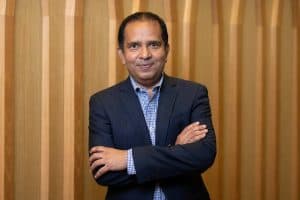





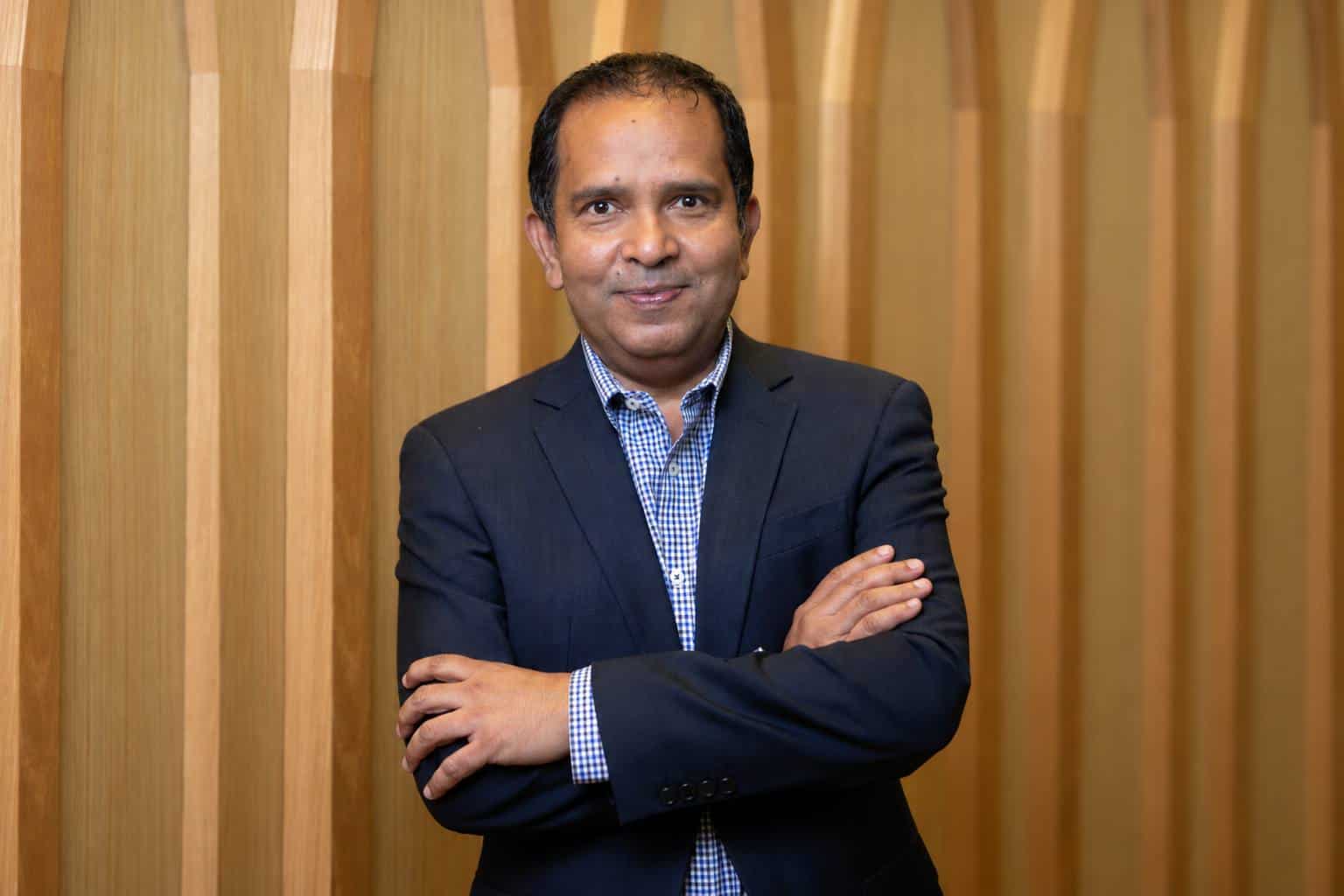
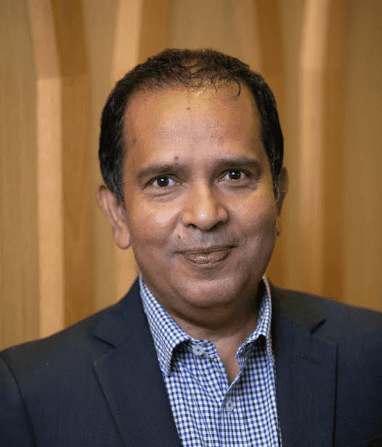
Editor’s note: In today’s A Day in the Life, Ravi Banuthevan (pictured), VP Finance at Thomson Reuters, Asia and Emerging Markets, shares with FutureCFO audiences how converting numbers and financial metrics into insights excite him in his work and why volunteering and reading are genuinely inspiring for him.
FutureCFO: What does a typical day look like for you?
Ravi Banuthevan (RB): If there is one word that captures a typical day, it’s balance—prioritising across a few recurring tensions.
The first is short-term versus long-term: delivering the current month’s and quarter’s numbers without losing sight of where the business needs to be over the longer term.
The second is compliance versus growth. Compliance is genuinely complex given the number of countries we operate across and the pace of regulatory change, but it can’t come at the expense of profitable, sustainable growth—the two must run in parallel.
Getting our own compliance onto Thomson Reuters ONESOURCE took much of the manual effort out of regional tax and statutory reporting, which is what frees the team to spend time on growth.
The third is growth versus margins: protecting and growing market share and revenue while maintaining, and where possible improving, profitability.
The fourth is developing talent versus business partnering and influencing outcomes. A meaningful part of my time goes into building a strong finance team and developing talent, but the return only shows up when that team is also out engaging with the business, customers and vendors, using that insight to influence decisions.
Getting the balance right across all four is, in many ways, the job.
It’s not unlike the challenge many of our customers describe to us at Thomson Reuters: needing to move with speed and confidence while managing complexity that only keeps growing.
Whether it’s a finance, legal or tax team, the discipline is the same — clear information, sound judgement, and balance.
FutureCFO: What excites you the most when you work with the Finance Function?
RB: What excites me most is converting numbers and financial metrics into insights stakeholders can act on.
It’s about “connecting the dots”—pairing what the financials say with leading indicators like pipeline metrics and the qualitative intelligence from customers and the front line—and using that to lead a conversation with leadership and influence decisions.
The other rewarding part of the role is what happens once compliance obligations, transactional or periodic, are well managed through robust, technology-enabled processes.
Automating our own tax and statutory compliance on Thomson Reuters technology cut that effort materially, and the capacity we recovered went into analysis and business partnering—real space for the team to shift from reconciliations and reviews toward shaping business outcomes.
This holds whether I’m working with our own finance team at Thomson Reuters or with customers who are CFOs
themselves. Across the finance community, the function is evolving from scorekeeper to genuine business partner—and being part of that shift is, for me, the most exciting part of this profession.
We see this pattern at scale, too. Thomson Reuters’ own Future of Professionals research, which surveys thousands of finance, tax, legal and risk professionals each year, shows the same thing: they want less time on routine, transactional work and more on judgement, advice and decision-making.
That mirrors what I see in my own team: stewardship is now measured by the quality of the insight you deliver, not just the accuracy of the numbers behind it.
The leaders moving fastest are the ones who put trusted data and technology underneath the function first.
Ravi Banuthevan, VP Finance, Thomson Reuters, Asia and Emerging Markets
FutureCFO: Can you share an experience which was key to your professional growth?
RB: To be effective in a senior finance role, you need to understand deeply how the business operates, not just how it reports.
At different stages of my career, I’ve deliberately stepped outside finance to work in Sales, Marketing and Supply Chain, including an interim operational stint when the business needed someone to step in.
In Sales and Marketing, I saw how a pricing decision or campaign actually landed with customers.
In Supply Chain, how sourcing and logistics choices flow through to margins and working capital long before they show up in the numbers.
Rolling up my sleeves in these roles changed my perspective on the opportunities, challenges and stakeholder dynamics across the business.
That experience shapes how I do the job today—it’s why I look beyond the financial metrics to leading indicators and front-line intelligence, and why I can have a credible conversation with an operating leader rather than just reviewing their numbers.
It’s an experience I’d recommend to any finance professional: step outside finance, even briefly, and you’ll do the job better when you return.
It also shaped how I see finance’s broader purpose: not just accurate numbers, but faster, better-informed decisions.
That’s a big part of what drew me to Thomson Reuters in the first place — a business built on turning complex information into insight that professionals can act on with confidence, whether that’s a customer navigating a regulatory question or our own team navigating a management decision.
I’ve seen both sides of it: answers that once took weeks now land in days, and the decision is made on current information.
FutureCFO: Is there anything outside work—such as a travel experience, a book, participation in a sport event or any volunteering experience—that serves as an important inspiration to your work or life?
RB: Outside of work, I volunteer as a Finance Advisor to an Australian-based charity that educates and empowers women in Sri Lanka.
It began as a home for girls orphaned during the civil war, and has since grown to provide education sponsorships for girls and SME financing for women entrepreneurs.
Being close to this work is genuinely inspiring—seeing the challenges these women and girls face, and then watching their success stories unfold, is one of the most fulfilling things I do outside my day job.
It’s also a good reminder of why our work in finance matters: good stewardship and access to capital can be truly life-changing, for a business and a community.
It’s a small-scale version of something I believe about our work at Thomson Reuters too: better information, in the right hands, changes what people are able to do.
Beyond volunteering, I enjoy reading on leadership and behavioural science, and lately I’ve spent a good chunk of free time experimenting with different AI tools—partly curiosity, partly because I think finance leaders need to be hands-on with this technology, not just read about it.
Understanding what these tools can and can’t do first-hand makes me a better sponsor of AI initiatives within the finance function.
Our Future of Professionals research puts numbers to that: 74% of professionals now use AI several times a week, but 41% still don’t have tools built for professional work on verified content.
It also gives me a healthy respect for the gap between a clever demo and something you’d stake a filing on—which is why the AI work I find most credible, including what we’re building at Thomson Reuters, is grounded in authoritative content and a clear audit trail rather than raw generation.