In 2026, CFOs across Asia-Pacific are evolving from traditional data stewards—focused on compliance, reporting and cost control—into proactive data strategists who architect enterprise transformation.
Deloitte’s Finance Trends 2026 highlights how APAC leaders, operating with sharper clarity amid volatility, move beyond performance stewardship to drive revenue growth, operationalise sustainability and digital agendas, and shape strategy through advanced scenario planning.
Source: Finance Trends 2026, Deloitte
Data has become the new balance sheet, powering AI-driven predictive analytics and real-time insights, with 44% of regional CFOs accelerating its use for forecasting. This shift positions finance as a value-creation engine in dynamic markets from Hong Kong to Southeast Asia.
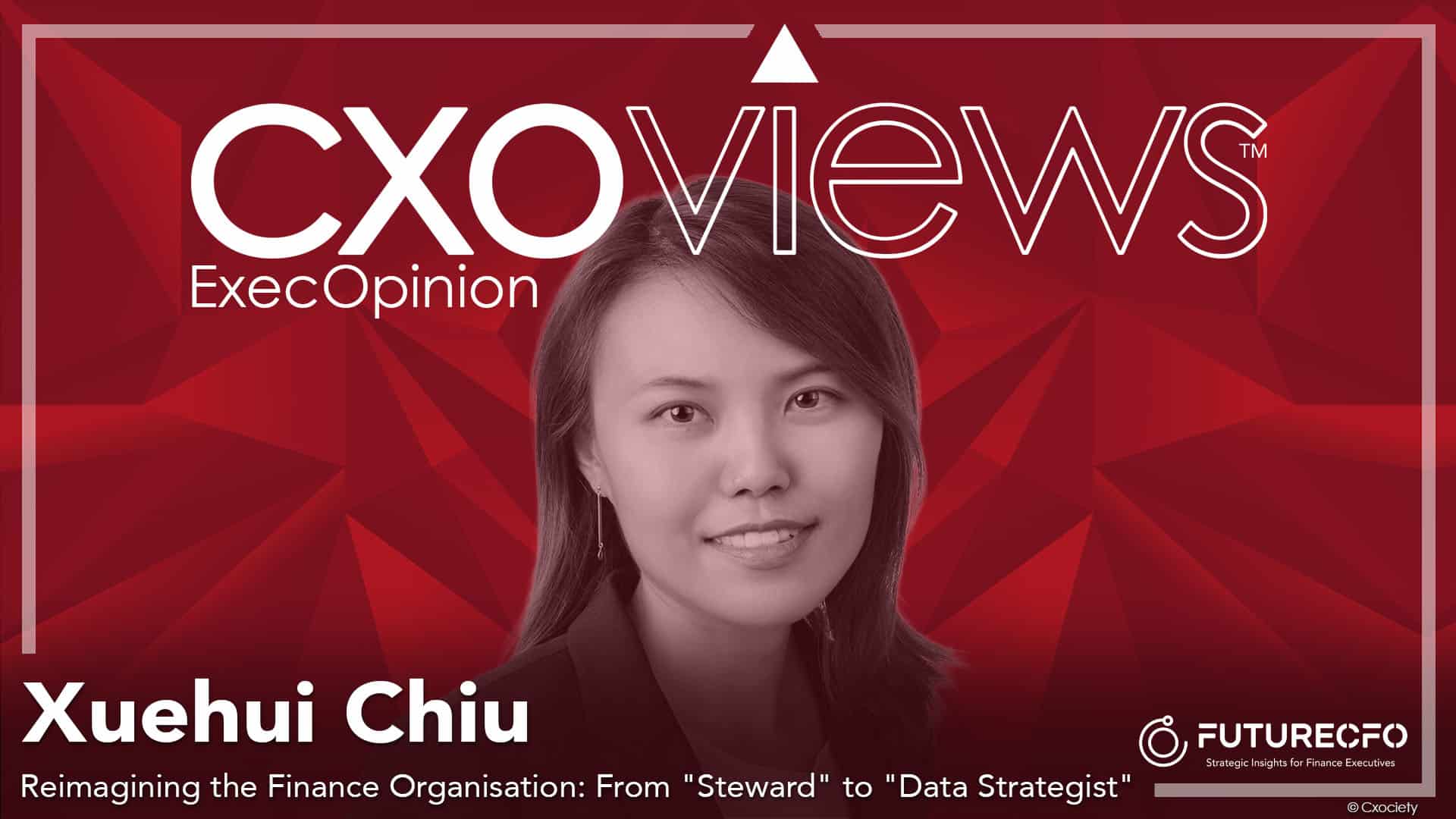
The forces driving this transformation are unmistakable. According to Xuehui Chiu, CFO of SAP Greater China, three forces make the shift from data steward to data strategist “unavoidable”: “First, real-time, high-quality data from cloud ERP and business data platforms; Second, advanced analytics and AI that move finance from hindsight to foresight; and third, rising expectations from CEOs, boards, and investors that finance actively shapes strategy and value creation.”
Gartner’s margin imperative
The strategic stakes have never been higher. Gartner now predicts that by 2029, CFOs who implement strategic AI deployment will add 10 margin points of growth.
“Three quarters of CFOs are raising their tech budgets for 2026, with nearly half by 10% or more, as AI is reshaping core finance, process automation and analytics,” said Mike Helsel, senior director analyst in the Gartner Finance practice.
“However, CFOs will not unlock margin gains from AI by chasing isolated pilots: the biggest returns will come from managing finance technology as a portfolio.” Mike Helsel
This portfolio approach is exactly what Chiu describes at SAP. “For me as CFO, that means owning the enterprise data and value story—defining the KPI architecture, challenging the business with insight, and using data to guide capital allocation, pricing, and investment.”
The message is clear: technology investment must be deliberate, integrated and outcome-focused, not experimental.
From hindsight to foresight
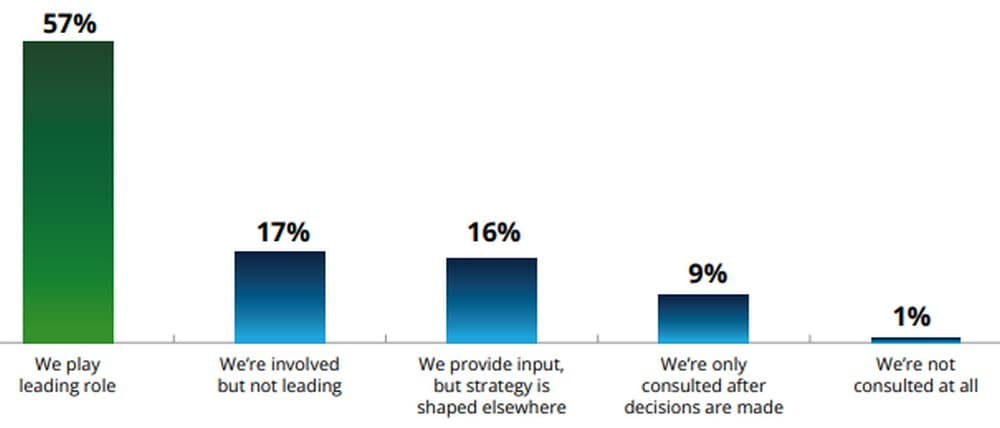
Deloitte’s research confirms that 57% of finance leaders now say they play a leading role in shaping organisational strategy, while only 1% are not consulted at all on strategy decisions. This represents a fundamental inversion of the traditional finance mandate. Where CFOs once guarded the rear-view mirror, they now design the navigation system.
Chiu captures this evolution precisely: “We are expected not only to protect value, but to actively create it—guiding investment decisions, shaping resilience, and ensuring competitiveness in increasingly complex markets.”
At SAP, this translates into using SAP Business Data Cloud to power FP&A “from planning and forecasting through to reporting and analysis—precisely to support this role.”
The behavioural shift is equally significant. Chiu notes that the modern CFO needs “agility, curiosity, and a willingness to challenge traditional finance mindsets.” This is not merely about adopting new tools; it is about redefining professional identity.
Building the blended finance team
The transformation of the CFO role demands a parallel transformation of the finance team. At FutureCFO conference across Asia, finance leaders see the talent gap as the top priority—a challenge particularly acute in Asia’s competitive labour markets. Chiu argues that “closing the finance talent gap in Asia requires deliberate design, not opportunistic hiring.”
At SAP, this design manifests in structural and cultural reinvention. “We are moving from functional silos to outcome-based operating models, with delivery hubs that own end-to-end processes and blended teams—accountants alongside data scientists, automation strategists, and ESG specialists,” Chiu explains.
The company’s Commercial Business Models and Automation team exemplifies this: “experts from multiple domains working together on process excellence, automation, and internal AI that drive growth through simplification and productivity.”
Deloitte’s research supports this approach, finding that 64% of finance leaders plan to add technical skills and capabilities within their functions in 2026, with AI and automation skills ranking as the top development priority—above traditional competencies such as regulatory knowledge and cost-reduction expertise.
The accounting pipeline is simultaneously shrinking: CPA exam candidates have fallen 27% over the past decade, while three-quarters of accounting professionals are within 15 years of retirement.
Freeing capacity for value creation
The imperative to do more with less is reshaping finance operations. Deloitte’s 2025 Tech Trends indicated that intelligent automation could free up to 30% of controllers’ time from transactional work.
Chiu confirms this at SAP: “We automate routine close activities, reconciliations, AP/AR, and control testing with SAP’s own cloud solutions, RPA, and AI assistants. We centralise our data in a single finance analytics layer and deploy machine learning (ML)-based forecasting and anomaly detection. This combination can free roughly a third of controllers’ time from transactional work.”
But technology alone is insufficient. “The critical step is reinvestment,” Chiu emphasises.
“We redesign roles, performance metrics, and incentives so that freed capacity is redirected toward scenario planning, market unit level profitability analysis, and partnering closely with our Strategy and Operations teams. Technology by itself does not elevate finance; it is how we redeploy the capacity that determines whether we create real value.” Xuehui Chiu
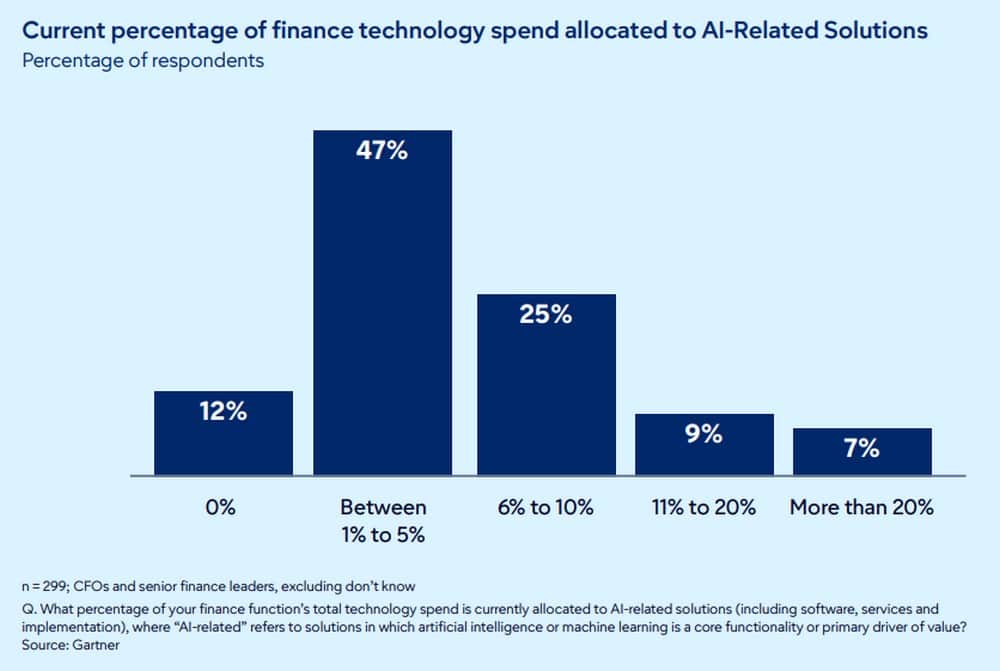
Gartner’s data shows that nearly 60% of CFOs plan to increase finance function AI investments by 10% or more in 2026, with 88% ranking finance staff productivity among their top three priorities. The shift from cautious pilots to committed scale is now underway.
Navigating the transition roadblocks
The path from steward to strategist is not without obstacles. Chiu identifies the main hurdles as “moving from traditional P&L stewardship to being a true strategic co-pilot for cloud transformation, mastering subscription and unit economics at scale, and leading a complex global finance organisation through continuous business model change—against a backdrop of geopolitical uncertainty and macroeconomic volatility.”
Internally, she cites data fragmentation and a lack of real-time access as key constraints, while externally, she points to rising expectations for faster, forward-looking insights.
Overcoming this requires what Chiu calls “a conscious rebalancing of my own time toward strategy, customers, and talent; modernising data and systems for real-time trusted insight; and building a strong leadership bench that can run day-to-day operations so I can focus on long-term value creation and resilience.”
Three targeted tracks for upskilling
To equip teams for these demands, SAP has implemented three targeted upskilling tracks. Chiu starts the list with AI-assisted forecasting embedded in FP&A, using Business Data Cloud and AI agents to enhance planning, scenario modelling, and accuracy.
Next, she suggests ESG reporting and assurance aligned with emerging global and EU standards via SAP’s Sustainability Portfolio, with robust data capture, controls, and assurance-ready disclosures.
Finally, she identifies digital risk analysis enablement focused on cybersecurity, data privacy, and model risk, integrated into our broader risk and control framework.
All SAP employees complete compulsory learning modules on AI literacy, ESG, Data Privacy and Export Controls.
“We then supplement this with hands-on projects tied to real SAP use cases—cloud revenue forecasting, ESG disclosures, and cyber scenarios—and we measure success by forecast accuracy, assurance readiness, and risk metrics, not by training hours,” says Chiu.
Finance as innovation partner
The final frontier is cultural. Chiu champions “a culture where finance is involved early in innovation discussions, not just at the business case approval stage.” For her, this includes “inclusive decision forums, clear hybrid working norms—bringing teams together for closes, planning cycles, and design sprints while supporting remote focus work—and transparent career pathways across regions and functions.”
At SAP, “finance teams are embedded from the start in Market Unit Growth Plans and New Business Model development.” The company actively recognises “finance-led innovation in areas such as automation and simplification of processes,” with AI ideas collected and evaluated through SAP Work Zone, with formal recognition and awards for successful initiatives, reinforcing collaboration, engagement, and retention.
A CFO’s action plan
For Chiu personally, the transition demands specific commitments: “I commit to spending at least half my time on strategy, customers, and talent; to deepening my understanding of SAP’s cloud portfolio and AI capabilities; and to being a visible sponsor of our major transformation initiatives.”
For the team, individual development plans are anchored in “cross-functional experience, analytics capability, and leadership behaviours.”
She reveals that in 2026, a compulsory goal for all finance members is “to deliver on key milestones of the Business AI @SAP program and to act as role models for ‘SAP runs SAP’ for our customers and partners.”
The data strategist era
The evidence from Gartner, Deloitte and practitioners like Chiu converges on a single conclusion: the CFO of 2026 and beyond will be defined not by what they count, but by what they create.
“To capture the margin upside, CFOs need to align AI and technology investments to business outcomes, supported by strong governance, explainability and data readiness.” Mike Helsel
For Asia-Pacific CFOs navigating volatile markets, geopolitical complexity and digital disruption, the data strategist role offers both a mandate and a method. It requires technical fluency, strategic courage, and the humility to reinvent both systems and self.
As Chiu puts it: “Taken together, these commitments position SAP Finance as an integrator across business units and as a cultural leader for disciplined, data-driven, and sustainable growth.” The steward’s ledger is closing. The strategist’s chapter is just beginning.