





The Robert Half report, Finance 2020 Closer than you think, paints a conundrum for those pursuing a career in finance. Gone are the days when the chief finance officer (CFO) and his or her finance team can be content to sitting in the backroom gorging over reams of data to produce consolidated reports that are passed on to business leaders to digest and mull over.
According to the report business executives see “meeting operational finance objectives and maintaining the company’s bottom line” as table stakes that come with the role. “CFOs are under constant pressure to provide strategic direction to the business to help make better-informed decisions.
The report also makes it clear that the finance function needs to evolve to a strategic, analytical, data-driven powerhouse that embraces digitisation and drives performance, thereby adding value throughout the business.
The add-on challenges for the CFO, therefore, include building and sustaining an efficient finance model, technologies, and not least, highly skilled people.
FutureCFO spoke to Wendy Wang (photo below), group chief financial officer & group chief operating officer, Tricor Group, on how she has progressed into the role of CFO as well as managing the other equally challenging role of COO.
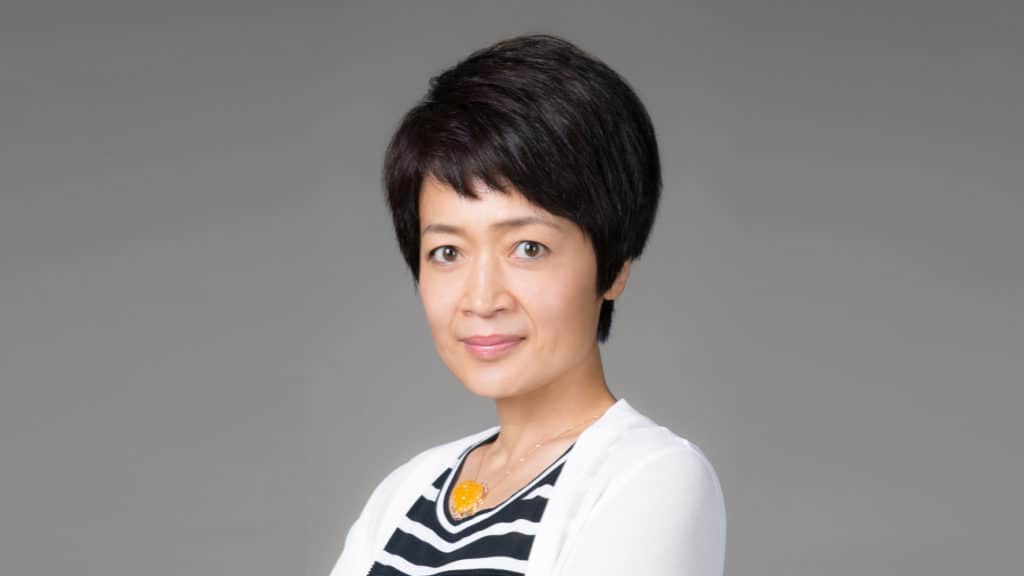
Wendy Wang, group chief financial officer & group chief operating officer, Tricor Group
Please describe your role as Group CFO and Group COO at Tricor Group?
Wendy Wang: In the dual CFO-COO role at Tricor Group, I have 3 core focus areas. Firstly, to formulate and drive the execution of business strategies alongside the CEO. Secondly, to drive the financial performance of the organization across the 47 offices in 21 markets where we operate. And lastly, to oversee operations of the company while spearheading the digital transformation strategy to ensure Tricor delivers best-in-class client experience.
In short, my dual role enables me to accelerate the business across strategy, finance, operations and digital transformation to ensure our firm achieves our company goals and objectives.
Is there an overlap in the two roles?
Wendy Wang: Yes, there certainly is. I believe there is no absolute demarcation among positions in the C-suite. As a business grows to greater heights and expands into new markets, the work of all departments should be interrelated. C-level executives need to stand together as one team—sharing wins and losses with no individual hero mentality.
But there is an inherent synergy that has always existed between the financial and operations departments. And in the digital age, it is even easier to see the close relationship between a company’s financial situation and operations.
For example, businesses increasingly need to employ data and increase “number-crunching” capabilities to make operational and financial decisions based on qualified metrics and measurements. These numbers naturally overlap and information sharing between financials and operations can help inform better decision-making.
What responsibilities or insights from each role (for example Group CFO) help you do your other job (Group COO) better?
Wendy Wang: Because I manage the internal sources of both the company’s financial and operational data. For example, if there’s a key operational decision to make it will almost always require certain financial data. As a dual CFO-COO I can readily access, analyse and forecast this data.
Overseeing the company’s operations also allows me to better implement technology to assist with financials. With this, I gain better insights, spot financial trends, boost productivity and ensure compliance—all critical aspects of my role as the CFO.
What does having both roles under one person present, as both challenge and opportunity?
Wendy Wang: The dual CFO-COO role can help a company become more agile and innovative in its digital transformation, which is an ongoing process that can make or break any company. At a time when the competitive global economy demands that companies continuously evolve and adapt, synching the CFO and COO functions is a critical factor for success. But, of course, success does not come without challenges and there are many factors at play.
Perhaps it starts in the operations department, which depends on visionary insight, the ability to respond to external forces and the constant pursuit of greater efficiency. In today’s market, COOs must not only build trust with the internal stakeholders of the business. They must ensure there are back-end processes and infrastructure in place to elevate all user experiences—whether these users are employees, suppliers, partners or customers.
Subsequently, the modern CFO must be empowered by technology—not intimidated by it. It’s definitely not just balance sheets anymore. Technology, such as disruptive AI programs and software that automate finance functions, can provide deeper and wider perspectives on the financial health of an organization—and even uncover factors that CFOs didn’t realize could affect the bottom line. By leveraging technology, the CFO is able to allocate more time to develop a strategy.
Charging one person with both of the CFO and COO functions has a clear advantage: it ensures a company’s digital transformation strategy aligns with the financial and operational goals of an organization because both functions are managed and cultivated together. The challenge is managing all of the moving parts and developing the infrastructure to support the strategic vision.
With the rapid pace of change in business, industry regulation, customer expectations, how do you keep up?
Wendy Wang: Curiosity is a must as is a yearning for lifelong learning. Numerous resources and communities online allow us to keep learning, refreshing knowledge and reskilling. The key is how well you can anticipate future needs, identify learning opportunities, invest your time and of course apply what you’ve learned.
Companies must also encourage this type of lifelong learning and reskilling among their workforce. At Tricor, we bring in new technology, train our people and learn together – and throughout the process – we focus on what we can do better. All of these experiences are so precious and have brought significant value to our business.
According to Catalyst, women are taking on more senior roles. Do you see gender as playing an important role in the digital economy?
Wendy Wang: Currently there is a considerable gender divide in the digital economy, with men having greater access to technology. While this divide puts women at risk of being left further behind economically and socially, I believe that the potential benefits outweigh the risks. In fact, innovations may help us overcome the leftover remnants of gender disparities in the workplace.
For example, AI and blockchain technology are employing algorithms that eliminate gender biases in the hiring process. Remote workforce opportunities—which offer flexibility and autonomy—could help women take on paid work while still managing home responsibilities.
What is your advice to women aspiring for greater roles and responsibilities in the executive suite?
Wendy Wang: My primary piece of advice is to build confidence and be bold. Being able to comfortably interface with all levels in a company requires you to wholeheartedly believe in yourself. Knowing how to delegate duties and empower others will help you thrive in leadership roles. Having bold confidence will also empower you to constantly network and develop meaningful relationships that can help you on your journey.
Another critical piece of advice is to live in the present but ultimately plan for the future. Always strategically balance long and short-term goals when you approach career decisions.
For example, an individual may benefit from a job with higher pay right now but if a lower-paying opportunity is offering managerial experience, it may prove to be more valuable in the future. Crafting a personal career strategy will help embolden positive decision-making along your professional journey.